What's on the ballot Nov. 3: all 435 House seats, 35 Senate seats and 36 governorships
Control of both chambers of Congress is at stake in the 2026 midterm elections. Here is what is being decided, and where the numbers stand going in.
By Democracy Today Editorial
Published
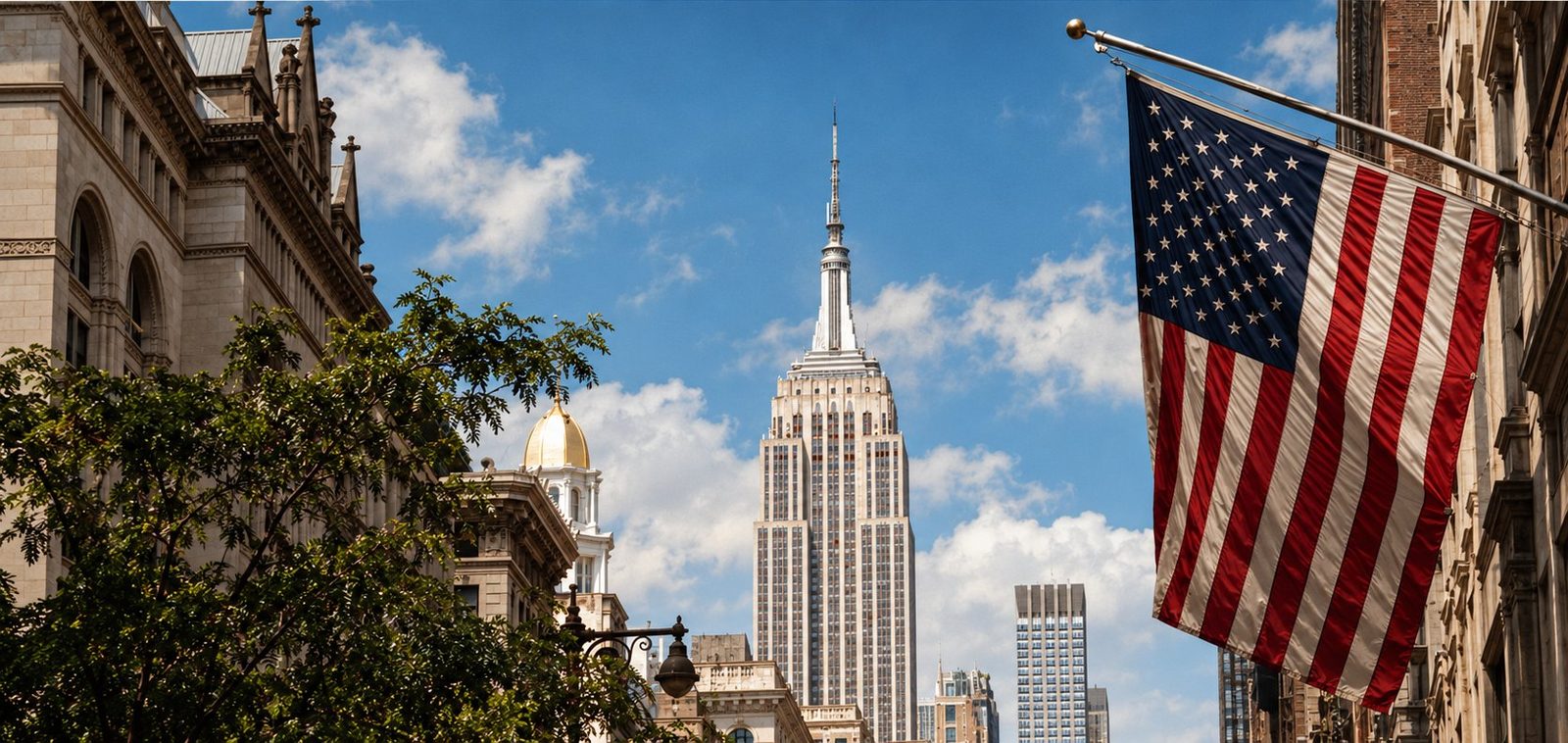
Voters across the United States go to the polls on Tuesday, Nov. 3, 2026, in midterm elections that will decide control of both chambers of Congress, along with governorships in 36 states.
The House: all 435 seats
Every one of the 435 voting seats in the House of Representatives is on the ballot, as are five of the six non-voting delegate seats, according to Ballotpedia.
As of the House Press Gallery’s most recent update, Republicans hold 218 seats and Democrats 214, with one independent and two vacancies, according to the House Press Gallery. The two vacancies follow the resignations of Rep. Tony Gonzales, a Texas Republican, on April 14, 2026, and Rep. Sheila Cherfilus-McCormick, a Florida Democrat, on April 21, 2026. A majority requires 218 seats when all 435 are filled.
As of Sept. 3, 2026, 60 House incumbents — 23 Democrats and 37 Republicans — were not seeking re-election, Ballotpedia reported. Several states have also redrawn their congressional maps in the middle of the decade, rather than waiting for the next census; as of July 26, 2026, Ballotpedia’s tracker listed new maps adopted in California, Florida, Missouri, North Carolina, Tennessee and Texas, a redraw in Ohio required by state law, and court-related redistricting in Alabama, Louisiana and Utah. Because district lines in some states have changed since 2024, voters should confirm their district with their state election office.
The Senate: 35 seats
The Senate is currently divided 53 Republicans, 45 Democrats and two independents, according to the Senate’s official party division table. Both independents caucus with the Democrats, according to Ballotpedia.
Thirty-five seats are on the ballot: the 33 regularly scheduled seats in the chamber’s Class 2, plus two special elections, according to Ballotpedia. The special elections in Florida and Ohio fill the remainder of the terms to which Marco Rubio and JD Vance were elected in 2022.
Of the 35 seats being contested, Republicans currently hold 22 — 20 regularly scheduled seats and both special-election seats — and Democrats hold 13. Because the vice president casts tie-breaking votes, Democrats and the independents who caucus with them would need a net gain of four seats to reach a 51-seat majority.
Governors: 36 states
Thirty-six states will elect governors, and the seats are evenly split: 18 are currently held by Democrats and 18 by Republicans, according to Ballotpedia.
What to expect on election night
Results reported on election night are unofficial. Each state counts and certifies its own results on its own timeline, and counting can continue after election night. Democracy Today will report results only as they are released by official sources or called by a news organization we identify by name, and will note the time of each update.
Registration deadlines and voting rules are set by each state. Every state except North Dakota requires voters to register, and deadlines can fall as much as a month before Election Day, according to USA.gov. For your own deadline, polling place and ballot information, use vote.gov or your state election office.
Read our Standards & Ethics · Report an error
Democracy Today is published by Atlas Media Network, LLC. Democracy Today is not affiliated with any other news organization, publication or program with a similar name.